
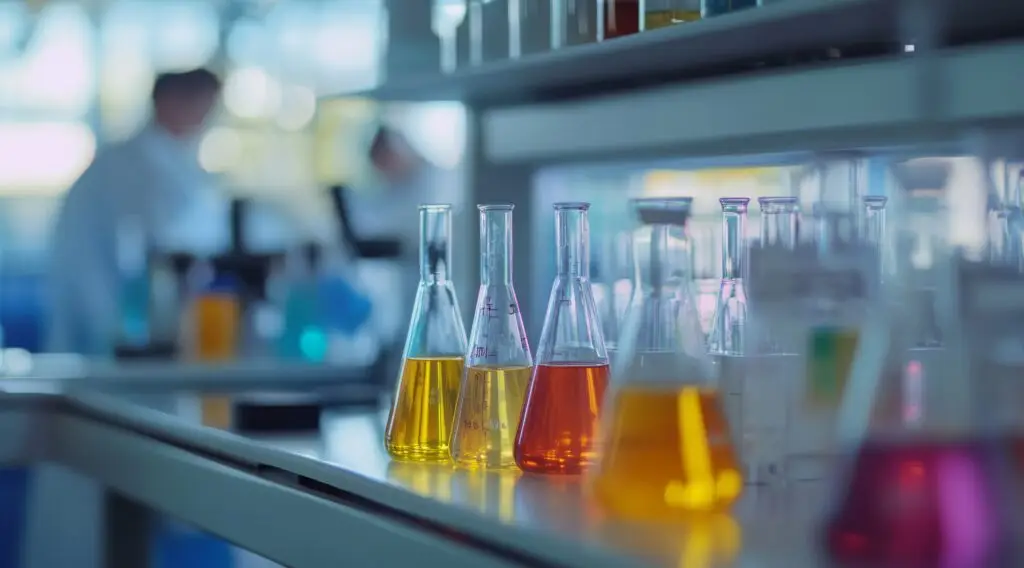
In New Jersey, well water may face hidden threats that affect health and home value. Bacteria, heavy metals, and radiological elements can enter the supply through unseen pathways. Professional evaluations of raw and treated water help confirm the integrity of any well system.
Safe well water depends on regular testing and a firm grasp of basic safeguards. Homeowners find peace of mind by detecting issues early and following expert guidance on treatment methods. This approach protects residents and preserves the long-term worth of their properties.
Key Takeaways
- Regular tests support safe well water and family health
- Experts check for metal, radiological, and bacterial risks
- Frequent monitoring safeguards property investment
- Careful analysis of raw and treated samples reveals issues
- Timely maintenance keeps the water source reliable
Understanding the Importance of Well Water Safety
Safe well water is vital for family health and resource preservation. Many families use flow testing to monitor water strength and detect hidden dangers. Regular checks help identify issues early, preventing major problems.
Private well maintenance leads to fewer breakdowns and greater peace of mind. It involves monitoring microbial levels, replacing worn parts, and ensuring chemical balance. The Environmental Protection Agency provides clear guidelines for these efforts.
Regular inspections can spot common equipment performance issues. Testing can reveal tiny contaminants that affect taste, clarity, and smell. Neglecting maintenance can lead to severe issues, exacerbated by natural or man-made pollutants.
- Schedule annual sampling to track bacteria levels
- Check plumbing fixtures for corrosion or leaks
- Maintain valid records of previous outcomes
| Maintenance Step | Recommended Frequency |
| Professional Inspection | Yearly |
| Water Quality Testing | Once or Twice a Year |
Key Indicators of Possible Contamination
Homeowners often spot early signs of trouble in their well water. Changes in clarity or a sudden bad smell may indicate bacterial or chemical contamination. Paying attention to these signs and following NJ well water guidelines can help avoid bigger problems and keep your mind at ease.
Cloudiness, Odors, and Strange Tastes
Cloudy water might suggest sediment buildup or a faulty filter. An unpleasant odor, like a sulfur smell, could be due to bacteria or decaying matter. A bitter or metallic taste may indicate high mineral levels. Quick testing, guided by NJ well water guidelines, can tell if the change is minor or requires immediate action.
Visible Particles and Sediment
Tiny specks or noticeable grit in the water may point to soil infiltration or pipe corrosion. Excess sediment can clog fixtures and reduce water flow. These signs often indicate a deeper issue that needs a professional’s touch.
| Indicator | Possible Cause |
| Murky Appearance | Suspended solids or failing filter |
| “Rotten Egg” Odor | Sulfate-reducing bacteria |
| Metallic Aftertaste | Elevated iron or other metals |
Types of Water Tests for Thorough Analysis
Testing uncovers hidden threats and offers a clear path to a stable water supply. Families gain confidence in their well water by understanding various testing methods and identifying specific risks. This knowledge helps develop effective strategies for home water filtration, reducing concerns about unpredictable contamination.
Chemical Testing Essentials
Experts suggest evaluating common elements and compounds found in agricultural or industrial settings. These tests check for minerals, nitrates, and metals, guiding homeowners to the right home water filtration system. Labs assess sample clarity, pH balance, and traces of pollutants. Ensuring tests meet Environmental Protection Agency (EPA) guidelines makes results more reliable.
Microbiological Testing for Safety
Some microscopic organisms are harmless, but certain bacteria can be dangerous. Screening for total coliforms and E. coli reveals if pathogens threaten the household. When issues arise, targeted filtration methods protect against bacterial blooms or other hazardous microbes. Regular checks provide homeowners with the reassurance they need, boosting confidence in their long-term water quality.
Decoding Water Test Results and Implications
Understanding pH levels, bacteria counts, and chemical traces is essential for assessing well water quality. Results often reveal patterns that indicate corrosion hazards or unusual mineral levels. Water with extreme pH can damage pipes or cause skin irritation. In many cases, metal contamination results may signal a need for immediate filtration solutions.
Homeowners compare their results with federal and state standards to assess safety. Laboratory data often shows minor fluctuations in iron or lead levels that could worsen if not addressed. It’s wise to keep test documents for future reference. Testing labs suggest targeted treatment methods once metal contamination or other unwanted elements are confirmed. Recognizing these key values helps property owners protect their health and maintain reliable sources of clean, safe water.
Common Sources of Pollutants in Rural Areas
Rural communities face unique water quality threats. Fields treated with fertilizers or manure can introduce nitrates, pathogens, and other hazards. Facilities that discharge wastewater add to the concern, producing a blend of chemicals that sometimes seep into local aquifers. Bacterial contamination is a pressing issue, as it can lead to health problems if not addressed promptly.
Agricultural Runoff
Fertilizers and animal waste scattered across open farmland can infiltrate well water. This infiltration may introduce coliform bacteria and nitrates. Repeated exposure often increases the chance of bacterial contamination and illnesses.
- Excess fertilizer leading to nutrient overload
- Manure piles releasing microbes
- Unregulated irrigation practices
Industrial Wastewater
Production plants sometimes discharge residue that flows into nearby streams. Hazardous substances, including heavy metals, may accumulate over time, creating persistent threats. Bacterial contamination remains possible if sanitation measures fall short. Homeowners seeking safe water rely on protective steps such as well sealing, filtration, and routine testing. Consistent vigilance curbs pollutants that might endanger local supplies.
NJ well water: State Guidelines and Recommendations
Ensuring safe well water is a top priority in New Jersey. Homeowners rely on annual water testing to catch contaminants early. The state’s regulations aim to keep water supplies clean for everyone.
Local Regulations and Permits
The New Jersey Department of Environmental Protection has strict rules for wells. Many counties require detailed chemical and bacterial tests, focusing on annual water testing in areas at high risk. Before drilling a new well, you must apply and sometimes show proof of ongoing monitoring.
Compliance with Federal Standards
The United States Environmental Protection Agency’s guidelines influence state policies. Local authorities use these federal standards to safeguard against harmful substances like lead, nitrates, and pesticides. Adhering to these standards is key to preventing health issues from contaminated water sources.
Selecting the Right Filtration System for Different Needs
Every well is unique, requiring a tailored approach to water treatment. Some areas struggle with contaminants from agricultural runoff, while others face heavy metals or bacteria. Homeowners who identify these risks through lab tests can choose the most effective filtration system.
There are various options, from carbon filters to reverse osmosis systems. Brands like Aqua-Pure and Pur specialize in removing chemicals and small particles linked to long-term health issues. A basic carbon filter can tackle odors and some chemicals. Yet, reverse osmosis offers additional protection against metals and microorganisms.
For those with limited space, countertop units are a viable option. Others prefer whole-house filtration to safeguard every faucet. Selecting a system that aligns with the water’s challenges can enhance safety without breaking the bank.
Annual Maintenance Tips for Long-Term Water Purity
Seasonal changes can impact water quality in private wells. Regular maintenance is key to avoiding unexpected issues, like those near industrial wastewater sites or large-scale farming areas. A simple routine ensures drinking water remains fresh and uncontaminated throughout the year.
Seasonal Filter Replacements
Filters accumulate sediments and chemical buildup over time. Replacing them according to the manufacturer’s schedule ensures consistent performance. Homes with high usage may need more frequent checks for mineral deposits.
Proper disposal of used filters is equally important. Dispose of them in sealed bags to prevent accidental exposure. This step maintains your system’s effectiveness and safeguards household members from lingering contaminants.
Professional Inspections and Tests
Licensed inspectors are skilled in identifying leaks, pump wear, and infiltration concerns. Their expertise is invaluable in areas where factories release industrial wastewater, increasing contamination risks for private wells.
Technical evaluations typically include:
- Testing for pH imbalances
- Surveying the pump’s efficiency
- Assessing any rust or corrosion
Consistent care ensures a dependable water supply for daily needs all year. A proactive maintenance approach boosts confidence in the well’s long-term safety and purity.
Budget-Friendly Versus Premium Treatment Options
Cost is a significant factor in choosing home water treatment solutions. Many opt for pitcher filters or faucet attachments as a quick fix. Brands like Brita cater to everyday needs, while advanced systems from Culligan tackle more complex issues.
Heavy metal pollution often necessitates a move to higher-grade systems. Basic devices may suffice for common impurities. In contrast, luxury models employ precise materials, providing broader protection against contaminants.
Comparing Different Filtration Technologies
Pitchers are effective for minor taste issues and require minimal maintenance. Activated carbon filters help reduce odor and chlorine. Reverse osmosis technology effectively targets microscopic particles, providing reliable defense against heavy metal pollution. UV disinfection adds an extra layer of protection, minimizing bacteria and viruses.
Long-Term Cost Analysis
High-end units may seem expensive at first. Yet, the ongoing costs for replacement parts in budget systems can accumulate. Premium models often prove more cost-effective over time, considering filter frequency, energy use, and healthcare savings.
| Filtration System | Initial Cost | Maintenance | Main Advantage |
| Pitcher Filter | $20 – $50 | Monthly Cartridge | Simple to Use |
| Reverse Osmosis | $200 – $500 | Yearly Membrane | Broad Contaminant Control |
| UV Disinfection | $300 – $600 | Yearly Lamp | Effective Against Bacteria |
| Multi-Stage System | $500 – $1000 | Biannual Checks | Comprehensive Protection |
How to Recognize Signs of Bacterial Issues
Bacterial contamination often shows up as unexplained slime or recurring digestive problems. Early detection is key to keeping your well water safe. Lab results serve as a clear warning when microbial counts exceed safe levels. This allows for quick action to protect your health.
Comparing lab data to EPA water standards helps determine if your well exceeds safe bacterial levels. These standards guide when to seek professional help. Timely disinfection can prevent a small issue from becoming a major problem. Certified experts conduct further tests and recommend effective solutions. Regular sampling ensures ongoing peace of mind.
Here are common signs and suggested actions:
- Changes in water texture
- Recurring stomach issues in the household
- Visible slime around faucets
| Indicator | Suggested Action |
| Slime in pipes | Thorough pipe cleaning |
| Frequent gut issues | Professional sampling |
| Unusual test results | Immediate disinfection |
Proactive Steps to Prevent Heavy Metal Contamination
Lead, chromium, and other metals can silently compromise a residential well. Routine evaluations keep families safe, and consistent filtration system selection is vital for defense. For instance, worn pipes or corroded fittings let harmful elements slip into daily water usage. Targeted testing at regular intervals allows early detection.
Guidance from tackling cadmium contamination in water supplies highlights proven solutions that shrink exposure. Maintenance and prompt repairs go hand in hand with robust protective measures.
Identifying Key Metals of Concern
Many wells face threats from lead, mercury, or arsenic. Understanding their presence helps owners respond effectively. Traces can arise from industrial sites, old plumbing systems, or aging infrastructure.
Implementing Effective Prevention Measures
Homeowners often weigh multiple strategies. Thorough filtration system selection stands out because reverse osmosis or special adsorption filters can target specific metals. Upgrading seals and gaskets is another safeguard that preserves water quality.
“Clean water forms the bedrock of public health,” affirms the Environmental Protection Agency.
| Metal | Potential Health Risk | Recommended Filter |
| Lead | Neurological damage | Reverse osmosis |
| Chromium | Kidney and liver issues | Adsorption system |
| Mercury | Developmental delays | Activated carbon |
Exploring Advanced Purification Techniques
Modern purification methods add a new level of confidence in water quality. UV sterilization kills bacteria and viruses by intense light exposure. Reverse osmosis systems filter out a wide range of impurities, including heavy metals and nitrates.
High-grade carbon cartridges capture chemical contaminants and lessen off-flavors. Homeowners often use well water testing kits to monitor ongoing conditions. This approach saves time and highlights risks before they become severe.
These advanced solutions lead to cleaner water. Yet, owners often question which technology suits their needs. Well water testing kits help make this decision, identifying specific threats that might require more specialized filters.
- UV units handle microbes in seconds
- Carbon filters excel at cutting down on odors
- Reverse osmosis bars dissolved toxins and salts
| Method | Key Advantage | Recognized Brands |
| UV Sterilization | Stops bacterial growth | Trojan, VIQUA |
| Reverse Osmosis | Removes heavy metals | Culligan, APEC |
| Carbon Block | Reduces chemical traces | 3M, Pentair |
Professional Assistance: When and Why to Seek Help
Expert guidance can resolve well water issues that seem small at first. Specialized evaluations uncover hidden threats that home test kits might overlook. Early action often saves time and money, so owners benefit greatly from calling a professional water inspection team once they notice visible changes or drifting taste profiles.
Certified Water Testing Professionals
Specialists hold credentials to identify contaminants that linger beneath the surface. Their training includes advanced procedures used by trusted companies such as Culligan. They measure chemical levels accurately and advise on targeted remedies. This hands-on approach prevents guesswork and ensures each step follows state and federal standards.
Assessing Emergency Situations
Floods or unexpected storms can overload soil and damage critical well components. Residents who sense sudden shifts in quality often rely on professional water inspection services to restore safety. Swift action shields individuals from harmful microbes or debris that slip into hidden fractures. Experts also suggest maintenance strategies for ongoing reliability.
| Warning Sign | Recommended Response |
| Strange or musty taste | Request immediate testing |
| Cloudy appearance | Consult a certified technician |
| Recent flooding nearby | Schedule complete inspection |
Ensuring Pure Water for Generations to Come
Homeowners should regularly check their water systems and use modern filtration systems. They must also watch for any changes in taste or appearance. This proactive approach helps prevent unseen issues that could harm a family’s drinking water.
Local health authorities and companies like Culligan offer valuable advice on advanced treatment methods and safe filtration practices. Regular contact with these experts can help identify early signs of contamination. This proactive stance is supported by EPA guidelines, ensuring water quality remains high.
Ensuring long-term water purity requires active participation and attention to every detail in the well’s lifecycle. Families who stay informed and invest in reliable equipment create a healthier home environment. Their dedication ensures cleaner, safer water for future generations.
FAQ
Why is it critical to test private wells regularly in NJ?
Regular testing is key to spotting threats like arsenic, nitrates, and PFAS early. This ensures water meets EPA standards and NJDEP guidelines. It keeps well water safe for homeowners and communities.
How can homeowners recognize early signs of contamination?
Look out for bad smells, discolored water, or a bitter taste. These signs might mean bacteria, heavy metals, or chemical imbalances. If you notice these, test your water right away.
Which types of tests are most important for a complete well analysis?
Experts recommend both chemical and microbiological tests. Chemical tests check for lead, arsenic, and pesticides. Microbiological tests look for harmful bacteria. Together, they give a full picture of water quality.
What are the main sources of contaminants in rural areas?
Agricultural runoff and industrial waste are big culprits. Fertilizers and pesticides can get into groundwater. Factories release heavy metals and pollutants. Regular maintenance and testing help fight these risks.
How do state guidelines affect well water safety in New Jersey?
NJ has strict well water rules, including annual testing in some areas. Following these rules keeps contaminants like nitrates and chemicals in check. This protects health and property value.
Are specific filtration systems recommended for different contaminants?
The best filter depends on your test results. Carbon block filters or reverse osmosis tackle chemicals. UV or chlorination is better for bacteria. Brands like Aquasana, Brita, and Culligan have options for various needs.
What maintenance practices promote long-term water purity?
Annual inspections and seasonal filter changes are key. Certified technicians can spot corrosion or leaks early. This keeps your water safe over time.
How do budget-friendly and premium treatments differ?
Pitcher filters are cheap for minor problems but can’t handle heavy metals or bacteria. More expensive systems like reverse osmosis offer better protection against many contaminants.
Can bacterial contamination be managed without professional help?
At-home shock chlorination can help with mild contamination. But, for lasting protection, a professional water inspection is needed. Experts do thorough tests and recommend necessary actions.
How can heavy metal levels be controlled in a private well?
Regular testing catches metal contamination early. This might mean installing filters or fixing corroded parts. Testing against federal and WQA standards sets safe metal levels.
What advanced purification methods boost well water safety?
Technologies like UV sterilization and high-capacity carbon filters tackle emerging contaminants. Testing kits help decide when to upgrade systems for ongoing water quality.
When should a homeowner call a professional water inspection team?
Call experts if tests show contaminants, or after heavy rains or damage. They use flow testing and hydrogeology to diagnose and fix issues.