
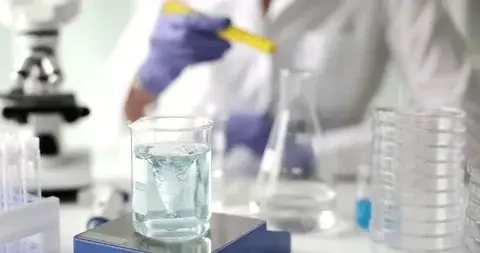
As we move through 2026, the reliance on home filtration systems has reached an all-time high. Whether it is a simple carbon pitcher, a refrigerator dispenser, or a sophisticated reverse osmosis system, homeowners are taking proactive steps to manage their environment. However, a significant informational gap exists in many households: the assumption that a filter is working simply because it was installed. At Olympian Water Testing, we consistently advocate for a “comparative” approach to laboratory analysis. Specifically, we urge our clients to perform water testing on both the raw water (directly from the tap) and the filtered water.
This dual-sample methodology is the only way to move beyond marketing claims and verify the actual performance of your home’s defense systems. Understanding the relationship between your source water and your finished water is essential for anyone serious about long-term health and real estate value.
Establishing the Source Baseline
The first reason to test raw water is to understand the “challenge” being presented to your filter. Every filtration technology has a limit. A carbon block that is highly effective at removing chlorine from a municipal supply might be completely overwhelmed by a high-lead “pulse” coming from an aging service line.
By analyzing the raw water, you identify the specific required tests for your geographic area. For example, if the raw water shows high levels of arsenic or nitrates, you may discover that your current “taste and odor” filter is functionally useless against those specific threats. Testing the raw water tells you exactly what is entering your home’s internal plumbing, allowing you to tailor your filtration strategy to the actual risks present in your specific locations.
Verifying Filter Performance and Efficiency
The most direct benefit of testing filtered water alongside raw water is the ability to calculate “reduction efficiency.” If your raw water contains 20 parts per billion (ppb) of lead, and your filtered water contains 2 ppb, you know your system is achieving a 90% reduction. While this is a significant improvement, for a family with young children, 2 ppb may still be above their personal health goal.
Without the raw water data, a result of 2 ppb in the filtered water is meaningless. You wouldn’t know if the filter is working perfectly on a highly contaminated source or if the filter is failing on a relatively clean source. On our blog, we often share cases where homeowners discovered their expensive filters were only removing a fraction of the targeted pollutants, leading them to seek warranty replacements or system upgrades.
The Danger of “Filter Breakthrough”
Filters are not permanent barriers; they are “sinks” that eventually fill up. Every filter has a saturation point, often referred to as “breakthrough.” Once a filter reaches this point, it can no longer adsorb or strain out new particles. In some cases, a saturated filter can actually begin to “dump” concentrated amounts of previously trapped contaminants back into the water stream.
By testing both samples, you can identify if your filter has reached its end-of-life. If the filtered water shows higher levels of certain minerals or chemicals than the raw water, you have a clear indication of breakthrough. This is a critical safety check that a simple “change filter” light on a refrigerator cannot provide. Regular comparative testing ensures that your defense hasn’t become a secondary source of contamination.
Identifying Internal Plumbing Leaching
A unique advantage of testing raw water from the kitchen tap and filtered water from the same source is the ability to diagnose “last-mile” plumbing issues. If your raw water tests high for lead, but the city report for your area is clean, you have successfully pinpointed a problem within your home’s service line or internal solder.
This information is vital for real estate transactions and long-term maintenance planning. If the raw water is contaminated but the filtered water is clean, you know your filter is doing heavy lifting. However, it also tells you that your home’s infrastructure needs attention. Relying solely on a filter to fix a systemic plumbing problem is a temporary solution; knowing the raw water quality allows you to address the root cause.
Microbiological Shifts and Biofilm Growth
Carbon filters remove chlorine, which is the primary disinfectant used by the city. While this makes the water taste better, it also makes it more susceptible to bacterial growth. Once the chlorine is removed, the interior of the filter and the lines leading from the filter to the tap can become a breeding ground for biofilm.
Comparing a raw water bacterial screen to a filtered water screen can reveal if your filtration system is actually introducing new biological risks. We often find that while the raw water is sterile due to the city’s chlorine, the filtered water contains heterotrophic bacteria that have colonized a “spent” filter cartridge. This “bio-loading” is a significant concern for immune-compromised individuals and is one of the primary reasons we recommend comprehensive water testing for every tap used for consumption.
Choosing the Right Technology for the Future
In 2026, the variety of water treatment options is staggering. From UV sterilization to multi-stage Reverse Osmosis, the costs can range from $50 to $5,000. Testing both raw and filtered water provides the objective evidence needed to make an informed investment.
If your comparative test shows that your $100 pitcher filter is successfully removing 99% of the lead found in your raw water, you may not need a whole-house system. Conversely, if the test shows that your current filter is missing a high level of nitrates or PFAS found in the raw source, you have the data needed to justify a move to a more robust RO system. This data-driven approach saves homeowners money and ensures that the technology in the kitchen matches the reality of the locations they live in.
How to Conduct a Comparative Test
When you are ready to verify your water’s journey, we recommend the following laboratory protocol: The Raw Sample: Collect a “first-draw” sample from the kitchen tap before it passes through any filtration. This captures the water as it has interacted with your pipes overnight. The Filtered Sample: Collect a sample from the filtered output (the pitcher, the fridge dispenser, or the dedicated RO tap) after flushing the line for 30 seconds. Consistency: Ensure both samples are taken on the same day and under the same household usage conditions. Comprehensive Panel: Request a panel that includes lead, copper, VOCs, and a bacterial baseline to see the full impact of the filtration process.
Conclusion: Data Defines Safety
The goal of home filtration is peace of mind, but true peace of mind is only possible through verification. In 2026, we no longer have to guess about the efficacy of our home’s infrastructure. By testing both raw and filtered water, you are applying the scientific method to your family’s health.
A raw water test defines the problem; a filtered water test verifies the solution. Together, they provide a complete map of your home’s water quality, from the street to the glass.
If you are concerned about the performance of your current filter or if you are moving into a new home and want to establish a baseline for your real estate investment, our team is ready to provide the certified analysis you need. We specialize in identifying the unique challenges found in various locations and help you interpret the results to find the best path forward. Please visit our contact page to connect with a water quality specialist today. Let us help you verify your defense.